Underground Leak Detection in Denver, CO
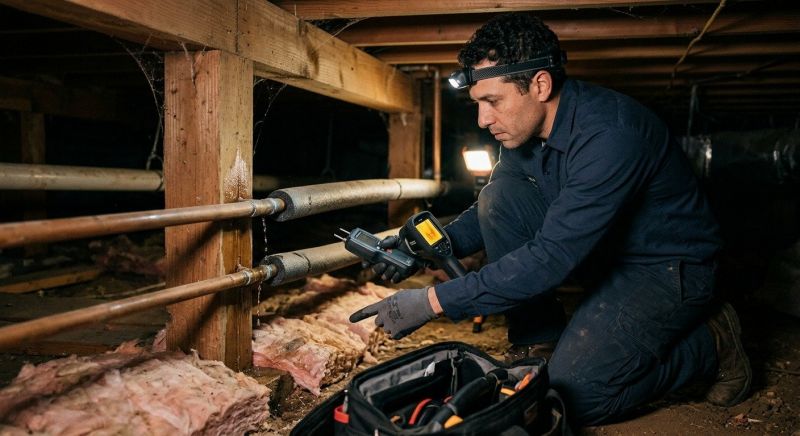
Underground leak detection services are designed to locate hidden water leaks beneath the surface of a property’s yard, driveway, or foundation without the need for extensive excavation. These services are often used in projects involving unexplained increases in water bills, damp spots on lawns, or foundation concerns. Property owners typically request this service when they suspect a leak that cannot be seen or accessed easily, aiming to identify the source quickly and accurately to prevent further damage or water waste.
Before requesting underground leak detection, property owners usually want to understand the scope of the service, including the methods used to detect leaks and the areas covered. It’s helpful to have information about recent plumbing work, water usage patterns, and specific problem areas to assist in pinpointing the leak. Clear communication about the location of suspected leaks and any visible signs of trouble can help ensure the detection process is efficient and effective.
Many property owners in Denver, CO look into Underground Leak Detection for repairs, replacements, upgrades, and appearance-related improvements.
Detecting Hidden Leaks
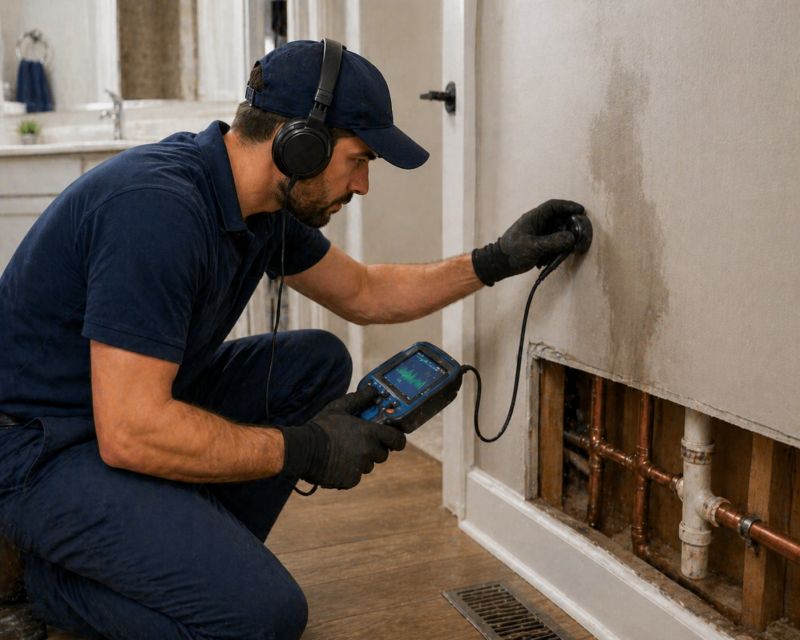
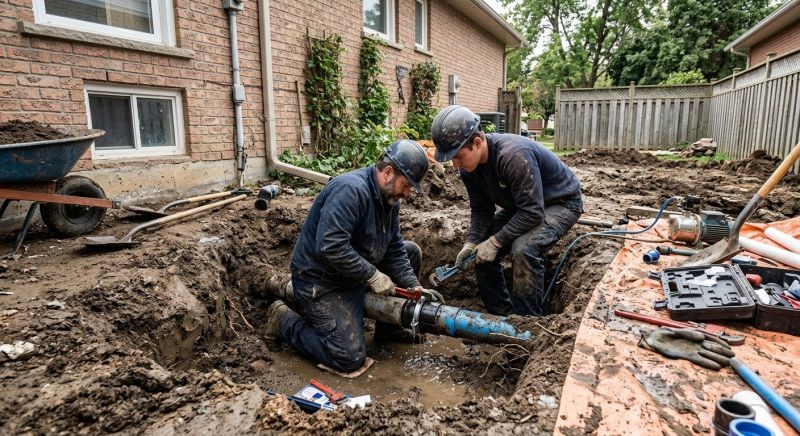
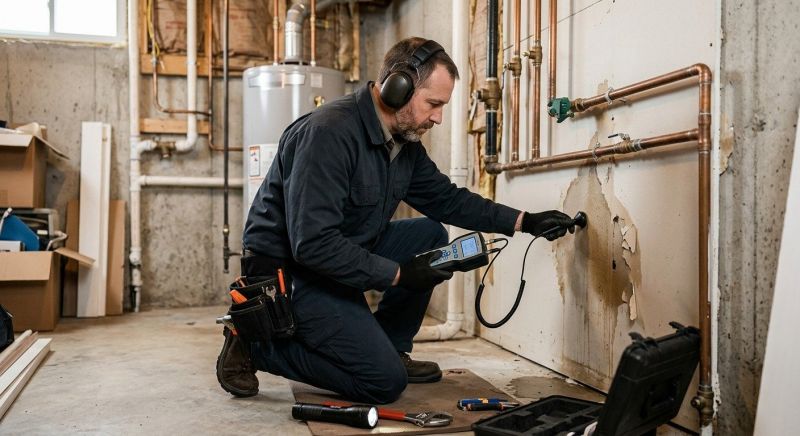
Advanced techniques identify leaks that are concealed underground or within walls.
Preventing Water Damage
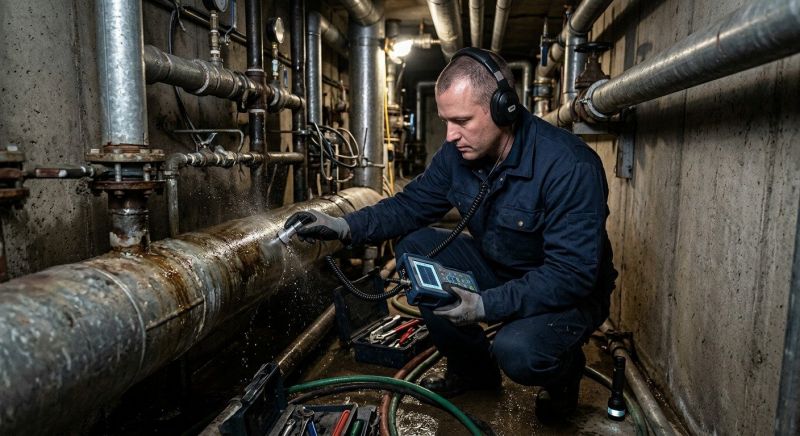
Early leak detection helps avoid costly repairs and property damage in denver homes.
Minimally Invasive Inspection
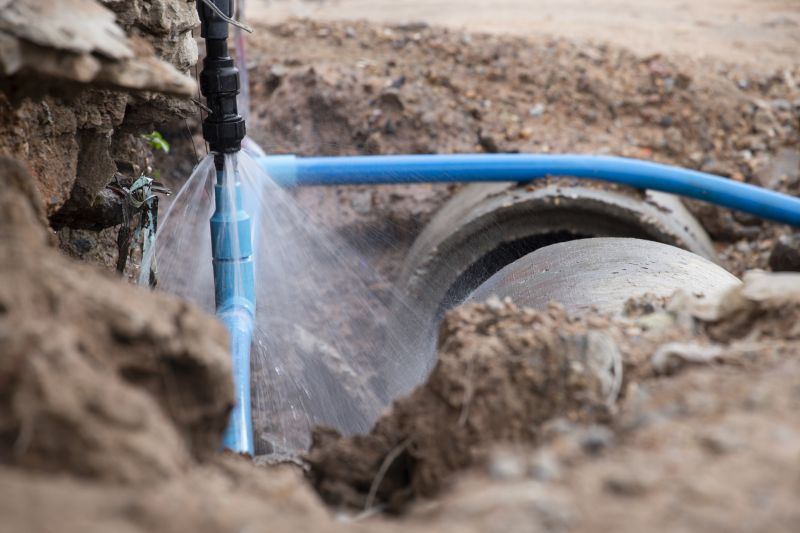
Non-destructive methods locate leaks without extensive digging or disruption to your property.
Underground Leak Detection in Denver, CO

Underground leak detection services are designed to locate hidden water leaks beneath the surface of a property’s yard, driveway, or foundation without the need for extensive excavation. These services are often used in projects involving unexplained increases in water bills, damp spots on lawns, or foundation concerns. Property owners typically request this service when they suspect a leak that cannot be seen or accessed easily, aiming to identify the source quickly and accurately to prevent further damage or water waste.
Before requesting underground leak detection, property owners usually want to understand the scope of the service, including the methods used to detect leaks and the areas covered. It’s helpful to have information about recent plumbing work, water usage patterns, and specific problem areas to assist in pinpointing the leak. Clear communication about the location of suspected leaks and any visible signs of trouble can help ensure the detection process is efficient and effective.
Many property owners in Denver, CO look into Underground Leak Detection for repairs, replacements, upgrades, and appearance-related improvements.
Common Underground Leak Detection Jobs
Underground Leak Detection Services - pinpoint hidden leaks in underground water, sewer, and irrigation lines.
Leak detection solutions - identify leaks without extensive excavation or damage to property.
Residential leak detection - locate leaks behind walls, under slabs, or in hard-to-access areas.
Irrigation line leak detection - find leaks in underground sprinkler systems to prevent water waste.
Sewer line leak detection - detect leaks or blockages in underground sewer pipes efficiently.
Property owner services - prevent costly repairs by accurately locating underground leaks early.
Underground Leak Detection Questions
What is underground leak detection? It is a method used to locate leaks in underground pipes and water lines without extensive digging.
Why is underground leak detection important? Detecting leaks early helps prevent property damage, reduces water waste, and avoids costly repairs.
What types of projects require leak detection? Leak detection is commonly needed for residential water lines, irrigation systems, and underground plumbing repairs.
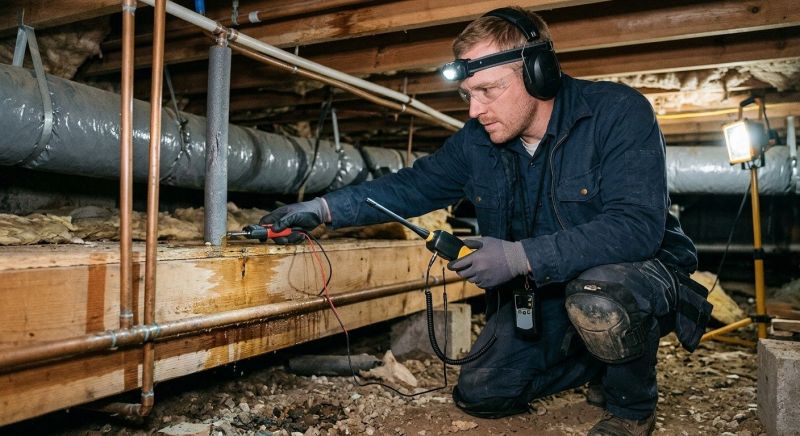
How does the process work? Specialized equipment is used to identify the presence and location of leaks based on sound, pressure, or other signals underground.
Request Underground Leak Detection in Denver, CO
Use the quote form on this page to share the basics of your project and request more information for the type of work you need.