What to Expect During a Sewer Main Replacement Project
People seeking sewer main replacement typically want to understand the process involved, and local contractors can handle the work efficiently and reliably.
Understanding what to expect during a sewer main replacement project can help property owners feel more prepared for this essential upgrade. Typically, these projects involve a series of practical steps, including site preparation, excavation, and careful removal and replacement of the existing sewer line. Local contractors experienced in sewer main replacements are equipped to handle these tasks efficiently, minimizing disruptions to daily routines while ensuring the new system functions properly for years to come. Being informed about the process can also help property owners plan accordingly and make informed decisions about scheduling and logistics.
For those considering a sewer main replacement, knowing the general stages involved can provide reassurance and clarity. Local service providers can evaluate the specific needs of each property, guiding owners through what to expect during the project-from initial assessments to final cleanup-so that the experience is as smooth as possible. Connecting with knowledgeable local contractors ensures the job is handled professionally, with attention to detail and a focus on restoring the property’s functionality. Keep reading to learn more about how these projects typically unfold and how local experts can assist throughout the process.
- Sewer main replacement - homeowners experiencing frequent backups or sewer line failures may need this work, and local contractors typically perform excavations and pipe replacements with minimal disruption.
- Trenchless sewer replacement - when property access is limited or there is a desire to reduce surface disturbance, service providers often use trenchless methods to install new pipes with less excavation.
- Pipe repair and patching - minor sewer line issues or localized damage can be addressed by local pros through targeted repairs, avoiding full replacement when possible.
- Septic system connection upgrades - properties transitioning from septic to sewer systems or upgrading existing connections may require sewer main work handled by local specialists.
- Sewer line inspection and diagnostics - before replacement, service providers conduct inspections to assess the condition of the sewer main and determine the best approach for replacement or repair.
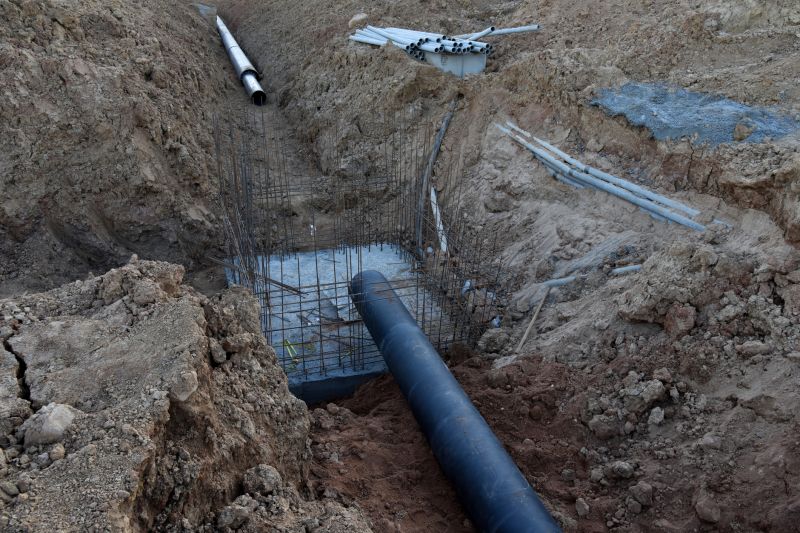
When searching for information about what to expect during a sewer main replacement project, homeowners are often trying to understand the scope and process involved in upgrading or replacing the underground sewer line that serves their property. These projects are typically considered when there are signs of sewer problems, such as frequent backups, persistent clogs, or foul odors. Property owners may also be planning renovations or new constructions that require the existing sewer line to be upgraded or rerouted. Understanding what the project entails helps homeowners prepare for potential disruptions and ensures they know how local service providers can assist in managing these necessary repairs efficiently.
Sewer main replacements are related to a variety of common problems and planning scenarios. For example, aging or damaged sewer lines may develop cracks, leaks, or blockages that compromise the property's plumbing system. Sometimes, tree roots infiltrate the pipes, causing backups and damage that require replacement. Property owners might also plan to replace a deteriorating sewer line to prevent future issues or to meet local building codes during major renovations. These projects often involve assessing the condition of the existing sewer line, choosing appropriate replacement methods, and coordinating with local contractors who specialize in sewer line work to ensure the job is done correctly.
The types of properties that typically come up in sewer main replacement projects include both residential and commercial buildings, with a focus on older neighborhoods or properties with outdated infrastructure. Single-family homes are common sites for these projects, especially when there are signs of sewer problems or plans for extensive remodeling. Multi-family complexes, apartment buildings, and small commercial properties may also require sewer main replacements, particularly when their underground systems have reached the end of their service life or have been damaged. In all cases, local service providers bring the necessary expertise to handle different property types, ensuring the replacement process aligns with the specific needs and layout of each site.
Understanding what to expect during a sewer main replacement project helps homeowners anticipate the scope of work and how local contractors fit into the process. These professionals typically handle everything from assessing the existing sewer system to excavating the area, removing the old pipe, and installing the new one. They may use trenchless methods to minimize surface disruption or traditional excavation depending on the property and project requirements. Homeowners should be aware that such projects can involve some level of excavation and surface disturbance, but experienced local service providers aim to complete the work efficiently and with minimal inconvenience. Having clear expectations about the process helps ensure a smoother experience and a properly functioning sewer system once the project is complete.
Drain line replacement - this project involves replacing underground drain pipes and requires similar planning, excavation, and pipe installation skills as sewer main replacement services.
Underground utility trenching - trenching for utility lines shares the excavation techniques and site preparation involved in sewer main replacement projects.
Water line installation - installing or replacing water service lines involves excavation and pipe fitting skills comparable to those used during sewer main upgrades.
Foundation drainage system installation - installing drainage systems around foundations requires understanding of underground piping and site management similar to sewer work.
Storm sewer system repair - repairing or replacing storm sewer lines involves similar planning, excavation, and pipe handling skills as main sewer replacements.
Septic system installation - installing septic systems involves underground piping and site excavation, paralleling many techniques used in sewer main replacement projects.
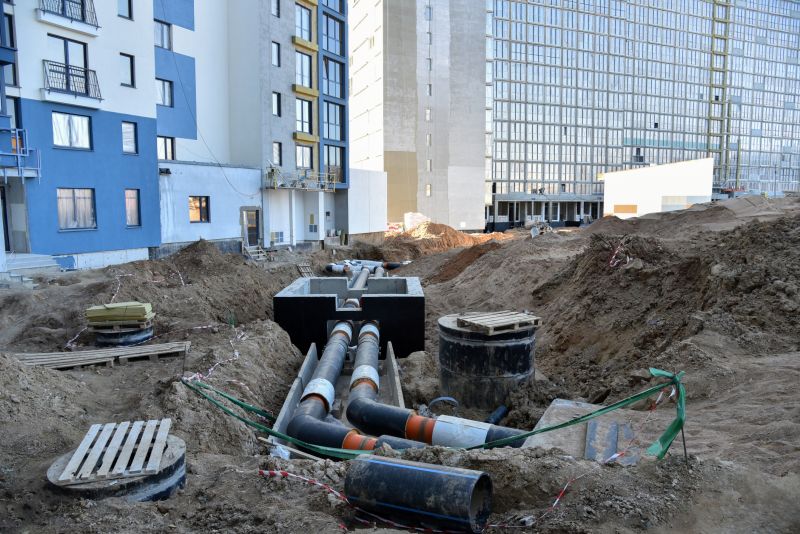
When evaluating service providers for a sewer main replacement, it is important to consider their experience with similar projects. Homeowners should look for local contractors who have a proven track record of handling sewer line replacements, as familiarity with the specific challenges and scope of such work can lead to more accurate assessments and smoother project execution. An experienced professional will be better equipped to anticipate potential issues, explain the process clearly, and deliver results that meet expectations for quality and reliability.
Clear and detailed written expectations are essential when comparing local contractors for sewer main replacement services. A reputable service provider will outline what the project entails, including the steps involved, potential disruptions, and any necessary preparations or follow-up work. Having a comprehensive scope of work in writing helps ensure that both parties are aligned on the project’s objectives, reduces misunderstandings, and provides a reference point throughout the process.
Good communication and reputable references are key factors to consider when selecting local pros for sewer main replacement. Service providers who are transparent about their work history and can provide references demonstrate professionalism and accountability. Effective communication also involves prompt responses to questions and the ability to explain the process in understandable terms, which can help homeowners feel more confident and informed about what to expect during the project.
Property owners often search for what to expect during a sewer main replacement project when they are planning practical projects around their homes and businesses. Local pros provide Sewer Main Replacement services for everyday jobs and straightforward project options.

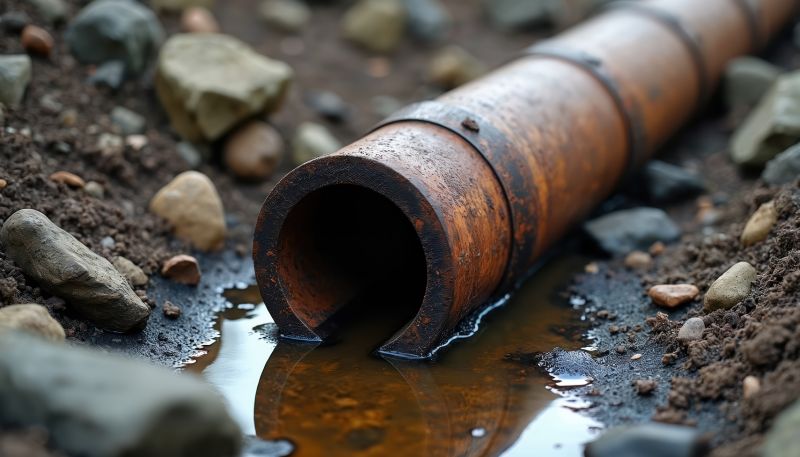
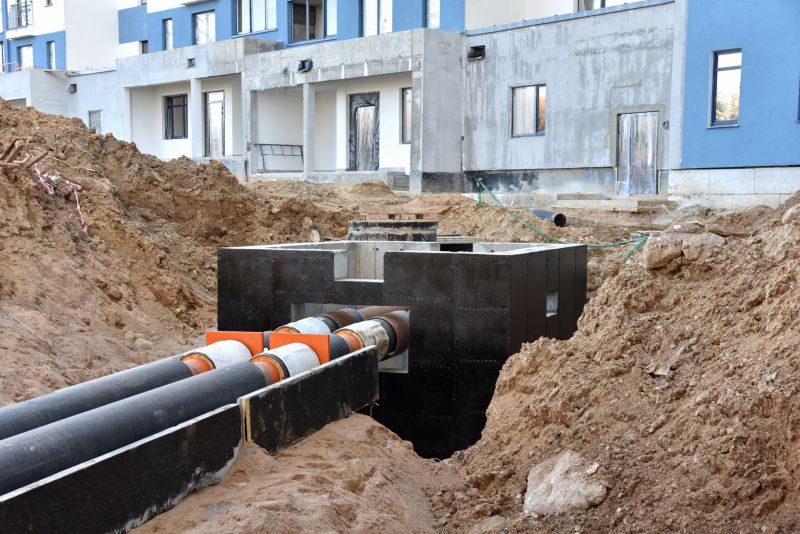
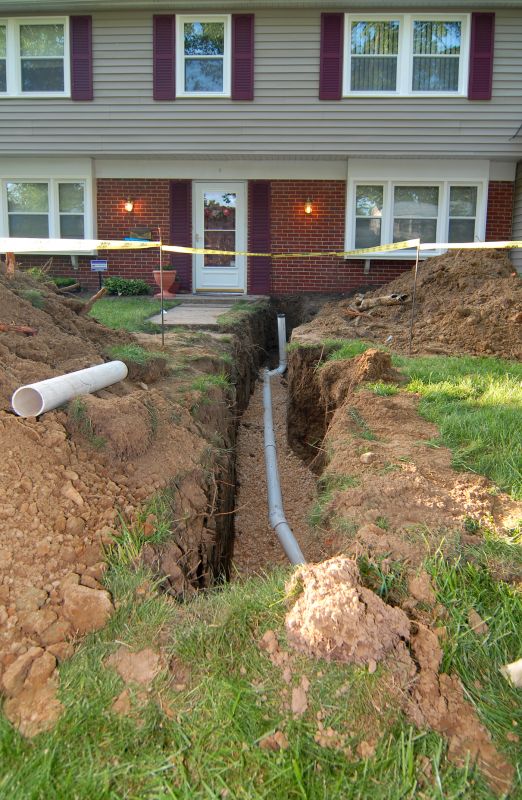
During a sewer main replacement project, property owners can expect some noticeable activity around their property, such as excavation and trenching in the yard or driveway. These projects often involve digging to access the underground sewer line, which may temporarily disrupt landscaping, paving, or outdoor features. Local contractors handling sewer main replacements are experienced in managing these disruptions efficiently, aiming to minimize inconvenience while ensuring the work is completed properly.
Throughout the process, property owners might observe equipment and workers performing tasks like removing old pipes, installing new sewer lines, and backfilling the excavated areas. It’s common for there to be some noise, dust, and minor traffic changes during the project. Many local service providers focus on clear communication and safety, helping property owners understand what to expect and ensuring the work aligns with local regulations. Considering sewer main replacement services from trusted local contractors can help make the experience smoother and more straightforward.
What steps are involved in a sewer main replacement project? Local contractors typically start with a site assessment, followed by excavation, removal of the old sewer line, installation of the new pipe, and then backfilling and restoration of the area.
How do contractors prepare for a sewer main replacement? Service providers usually evaluate the existing sewer system, obtain necessary permits, and plan the excavation process to minimize disruption and ensure proper installation.
What should homeowners expect during the excavation process? Excavation involves digging trenches to access the sewer line, which may temporarily affect landscaping or driveways, but is generally done with care to limit damage.
Will there be any disruptions to household plumbing during the project? Yes, local pros often advise that household plumbing may be temporarily affected or shut off during certain phases of the replacement, but they coordinate to minimize inconvenience.
What happens after the new sewer main is installed? After installation, contractors typically perform testing to ensure proper function, backfill the trenches, and restore the work area to its original condition or better.
Understanding project scope - Property owners can work with local contractors to clarify what parts of the sewer system will be replaced and how the work will impact daily routines.
Preparing the work area - Clearing the yard or driveway of obstacles helps ensure smooth access for the equipment and minimizes disruptions during the project.
Managing utility disruptions - Planning for temporary water or sewer service interruptions allows property owners to make necessary arrangements in advance.
Post-project cleanup - Coordinating with local service providers for proper debris removal and site restoration maintains safety and cleanliness after the work is complete.
If you are thinking about what to expect during a sewer main replacement project for a property, this guide is meant to help you understand this topic, the typical project types, and how different options might fit your plans.
When you are ready, you can use the quote form on this page to share a few details about your project. From there, local pros can review the basics and follow up with options that match what you have in mind.