The Most Common Septic Problems Homeowners Face
Homeowners facing common septic problems often need replacement or repair services, which local contractors can provide to restore proper system function and prevent further issues.
Homeowners in the area who rely on septic systems often encounter common issues that can disrupt daily routines and lead to costly repairs if not addressed promptly. Recognizing signs such as slow draining fixtures, unpleasant odors, or standing water near the septic tank can help property owners catch problems early. Exploring these typical septic challenges is a practical step toward maintaining a healthy system and avoiding emergency repairs. Local contractors specializing in septic repair and replacement are equipped to handle these issues efficiently, ensuring systems operate smoothly and reducing the risk of unexpected failures.
Understanding the most frequent septic problems faced by homeowners provides valuable insight into how to keep the system functioning properly. Whether it’s a clogged drain field or a failing tank, addressing these concerns with the help of experienced service providers can save time and prevent more extensive damage. Property owners interested in maintaining their septic systems can find trusted local professionals ready to assist with repairs or replacements, helping to keep their homes comfortable and functional. Keep reading to learn more about common septic issues and how local experts can help keep systems in top condition.
- Septic tank replacement - homeowners experiencing frequent backups or tank overflows may need a full replacement, with local contractors providing expert removal and installation.
- Septic tank repair - issues like foul odors or slow drains often indicate a damaged or failing tank, which local service providers can diagnose and fix efficiently.
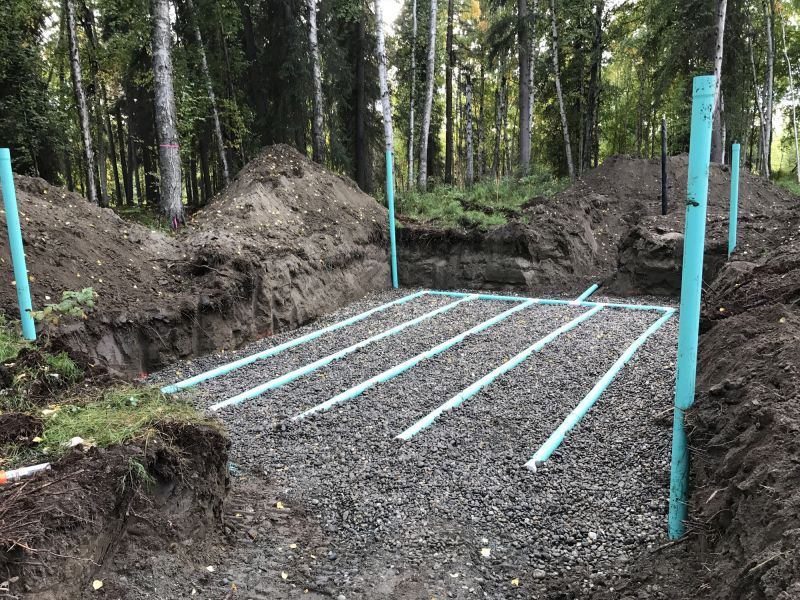
- Drain field repair - standing water or soggy yard areas can signal drain field problems, and local pros can evaluate and restore proper function.
- Septic system inspection - regular inspections help identify early signs of failure, allowing local experts to recommend necessary repairs or replacements before major issues develop.
- Septic system component replacement - malfunctioning pumps or filters can cause system breakdowns, with local contractors capable of replacing these parts to restore system performance.
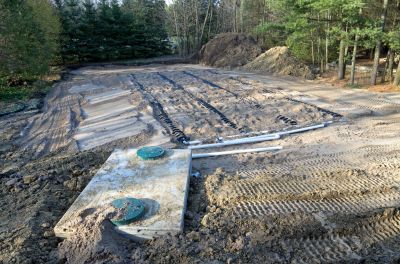
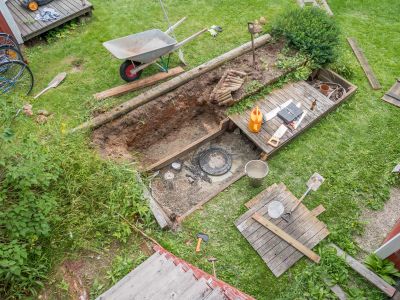
Many homeowners searching for information about common septic problems are typically trying to understand issues that could disrupt their household’s waste management system. These problems often involve symptoms like foul odors around the property, slow-draining sinks and toilets, or frequent backups in the plumbing. When these signs appear, it usually indicates that the septic system is experiencing a malfunction or is nearing the end of its service life. Recognizing these early warning signs can help homeowners determine when professional septic repair or replacement might be necessary to prevent more serious, costly damage.
The scope of common septic problems generally relates to the system’s components, such as the septic tank, drain field, or distribution lines. Homeowners often encounter issues like tank overflows, which happen when the system cannot keep up with waste input, or clogged drain fields caused by soil saturation or improper installation. Other concerns include cracked tanks, which can leak effluent into the surrounding soil, or damaged distribution pipes that hinder proper waste flow. These problems can be part of a larger plan to maintain or upgrade a septic system, especially when repairs are no longer sufficient, and replacement becomes the best solution.
Septic problems are frequently associated with certain property types, especially rural homes, properties with older systems, or those with inadequate maintenance routines. Homes on large lots or in areas without access to municipal sewer connections often rely solely on septic systems. Additionally, properties with poorly designed or installed systems may experience recurring issues. It’s common for these issues to emerge after heavy rainfall or seasonal changes, which can overwhelm or compromise aging systems. Local contractors who specialize in septic repair and replacement are often called upon to evaluate these properties and recommend appropriate solutions to restore proper function.
Understanding how these common septic problems relate to real projects helps homeowners see the importance of professional service providers. Whether it’s repairing a cracked tank, replacing an outdated system, or upgrading to a more efficient design, local service providers play a key role in resolving these issues efficiently. They can assess the specific needs of each property, identify the root causes of septic system failures, and implement solutions that ensure reliable waste management. Connecting with experienced contractors can help homeowners address their septic concerns effectively, avoiding future problems and maintaining the health of their property’s waste disposal system.
Drain field installation - installing or repairing drain fields involves similar planning and excavation skills as septic system repairs, making it a common related project for homeowners facing septic issues.
Septic tank pumping and cleaning - regular pumping requires understanding of septic system components and proper use of specialized tools, aligning with septic repair and replacement services.
Septic system inspections - assessing septic system health and diagnosing problems involves similar troubleshooting skills as septic repairs, helping homeowners prevent costly failures.
Pipe repair and replacement - fixing or replacing underground pipes shares skills with septic system repairs, particularly in managing excavation and ensuring proper flow within the system.
Drainage system upgrades - improving drainage around a property involves planning and excavation techniques that are also useful in septic system repairs and replacements.
Soil testing and site assessment - evaluating soil conditions for drain field viability requires similar planning and technical knowledge as septic system installation and repair projects.
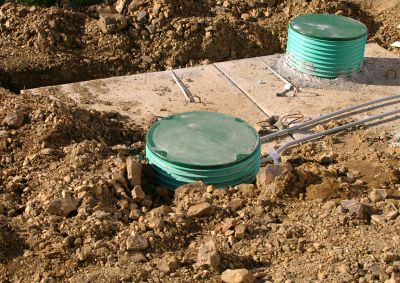
When evaluating service providers for septic replacement or repair, it’s important to consider their experience with similar projects. Homeowners should look for local contractors who have a proven track record handling septic systems comparable in size and complexity to their own. Asking about past work on properties with similar issues can help gauge whether a contractor understands the specific challenges associated with common septic problems, such as clogs, backups, or drain field failures. An experienced professional is more likely to be familiar with the nuances of septic systems and can offer insights into the most effective solutions for addressing these widespread issues.
Clear and detailed written expectations are essential when comparing local service providers. Homeowners should seek contractors who can provide transparent explanations of what the repair or replacement process will involve, including the scope of work, materials used, and any potential disruptions. Having a well-defined plan helps ensure everyone is on the same page and minimizes misunderstandings. It’s also beneficial to request references or reviews from previous clients to verify the quality of work and how well the contractor communicates throughout the project. Reliable communication and clear expectations can make the process smoother and reduce the likelihood of surprises or disagreements.
Reputable references and good communication are key factors in choosing a septic service provider. Homeowners should look for local contractors who can provide contact information for previous clients or showcase positive feedback. This helps confirm the contractor’s reputation for delivering quality work and maintaining professional standards. Additionally, responsive and clear communication during the inquiry process indicates a contractor’s willingness to listen and address questions thoroughly. A service provider that prioritizes open dialogue and provides consistent updates can help homeowners feel more confident in their decision, ensuring the project proceeds smoothly and meets expectations.
Property owners often search for the most common septic problems homeowners face when they are planning practical projects around their homes and businesses. Local pros provide Septic Replacement or Repair services for everyday jobs and straightforward project options.
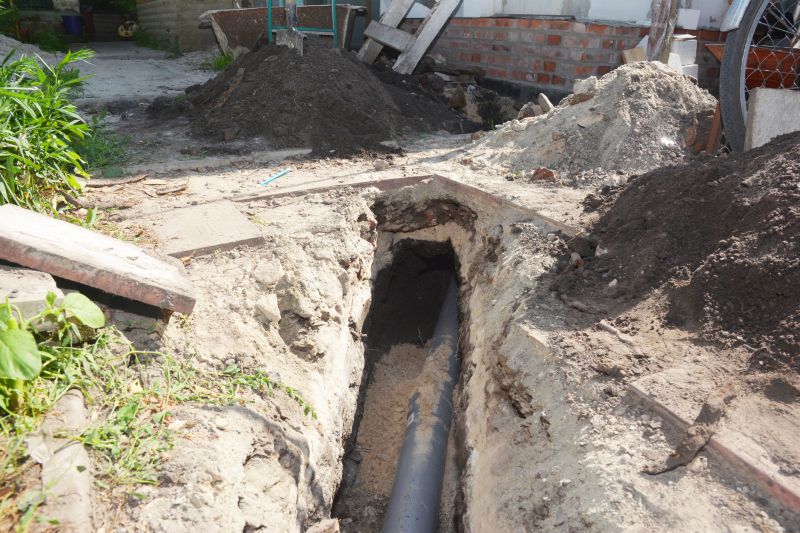
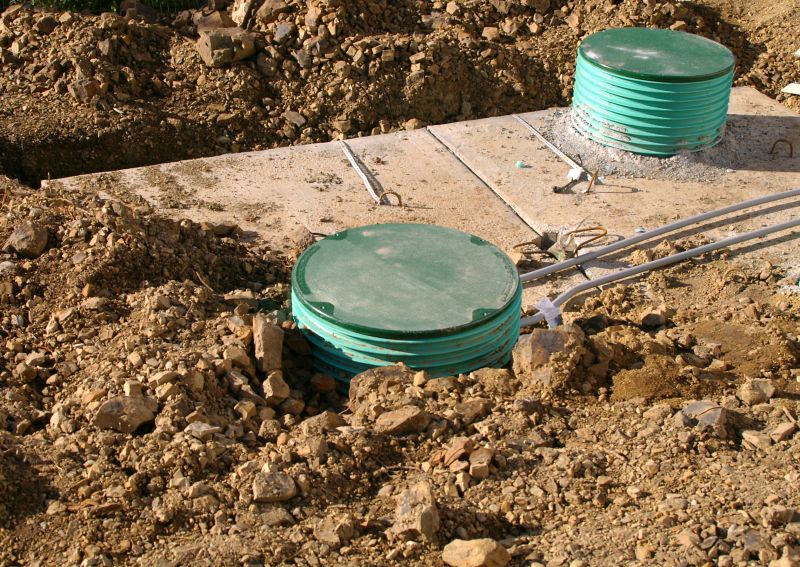
Many homeowners in the area encounter common septic problems that can disrupt daily routines and require prompt attention. Issues such as slow drains, foul odors, or backups are often caused by simple factors like accumulated solids, clogs, or a failing drain field. When these problems arise, property owners frequently look up solutions to determine whether a repair or complete septic replacement is necessary, especially if the system has been in place for many years or shows signs of deterioration.
Understanding the most common septic problems helps homeowners recognize when professional help is needed. Local contractors who specialize in septic repair and replacement are equipped to diagnose issues accurately and provide effective solutions. Whether addressing minor repairs or a complete system overhaul, these service providers can assist property owners in restoring proper function and preventing future problems, ensuring the septic system operates smoothly for years to come.
What are common signs of septic system problems? Signs include persistent odors, slow draining fixtures, sewage backups, or standing water near the septic tank area, which may indicate issues requiring repair or replacement by local contractors.
Why does my septic system frequently clog or back up? Frequent clogs can result from a buildup of solids, improper waste disposal, or damaged components, which local service providers can diagnose and fix through repairs or system upgrades.
How can I tell if my septic tank needs to be replaced? Indicators include frequent backups, persistent odors, or visible damage to the tank or drain field, prompting local contractors to evaluate whether repair or replacement is necessary.
What causes septic system failure? Common causes include overloading the system, improper maintenance, or aging components, all of which can be addressed by experienced local service providers through repair or replacement services.
How do I prevent septic problems from worsening? Regular inspections, proper waste disposal, and timely repairs by local contractors can help prevent minor issues from escalating into major septic system failures.
Drain field issues - Identifying and repairing drain field problems can prevent backups and sewage odors, and local contractors can handle drain field replacement if necessary.
Pump failures - When a septic pump fails, it can cause system backups; experienced service providers can replace or repair pumps to restore proper function.
Clogged pipes - Clogs in the system may lead to slow drains or backups, and local experts can clear blockages or replace damaged pipes.
Sewage backups - Persistent backups indicate underlying septic system problems that require professional inspection and potential replacement services.
If you are thinking about the most common septic problems homeowners face for a property, this guide is meant to help you understand this topic, the typical project types, and how different options might fit your plans.
When you are ready, you can use the quote form on this page to share a few details about your project. From there, local pros can review the basics and follow up with options that match what you have in mind.